Image
Al-Anon
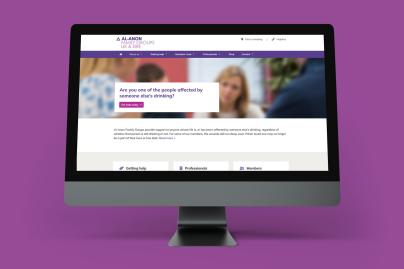
Support groups for anyone who is affected by a friend or family member's drinking.
Visit the site
You don’t have to be drinking every day for alcohol to be an issue, and there are lots of reasons you might want to cut back. Perhaps someone mentioned that they’re concerned about you, or you might find it hard to stop drinking once you’ve started.
You might have noticed that your drinking is affecting your health, your mood, your performance at work, or your personal relationships, for example.
Whatever your reason, changing your drinking habits can have a big impact on everything from your relationships to how well you sleep. It can be hard to take that first step, but even small changes can help you to be happier and healthier.
Have a think about what you want to achieve. Quitting alcohol completely can seem like a huge step, but it could be the change of direction you need. Cutting down your drinking is also a positive goal, and it can be the first step to quitting entirely.
If you’re ready to address your drinking, don’t be afraid to reach out for help. It’s much easier to make positive changes when you’ve got help and support from others.
You could:
If you are drinking alcohol every day and notice unpleasant withdrawal symptoms when you are not drinking, please do not stop drinking suddenly. This can cause extremely harmful effects. It’s important you make contact with your local treatment service to arrange a safe, medically supervised detox.
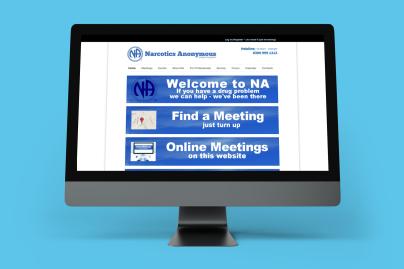
You can also look at the websites, apps and support groups below for more support.